
Keep Your Tax Documents Organized: A Simple System
Stop scrambling for receipts at tax time. We’ll show you the easiest way to organize documents throughout the year so filing becomes stress-free.
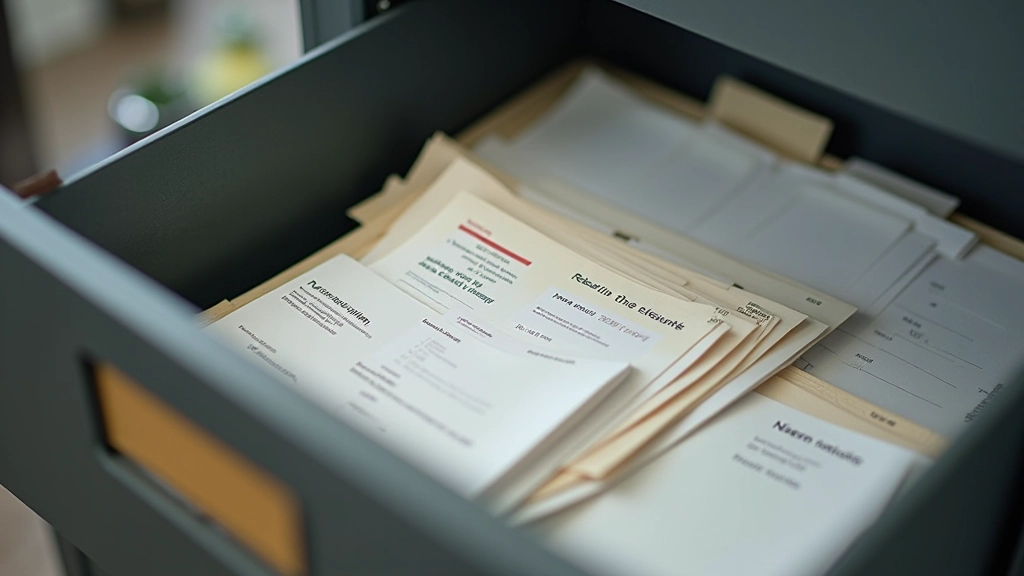
Why Organization Matters
Tax season doesn’t have to be chaotic. Most people wait until the last minute, then spend hours digging through drawers and old emails looking for receipts and invoices. That’s not just stressful — it’s risky. You might miss deductions or file incomplete information.
The good news? You don’t need a fancy system. We’re talking about something simple that takes maybe 10 minutes a week to maintain. Once it’s set up, you’ll actually know where everything is. When tax time comes around, you’re done before your friends have even opened their filing software.
Here’s what we’ll cover: A filing system that actually works, what documents to keep and for how long, digital tools that save time, and a monthly routine that takes almost no effort.

The Three-Folder Foundation
You don’t need to overthink this. Start with three folders — physical or digital, your choice — and keep it there. That’s it.
Folder 1: Income Documents
Payslips, investment statements, freelance invoices, rental income records. Everything that shows money coming in. Keep these organized by source — one subfolder per client or income stream.
Folder 2: Deductible Expenses
Medical bills, education fees, professional services, charitable donations, business expenses. Basically anything you might claim as a deduction. Organize by category — medical, education, business, donations.
Folder 3: Supporting Records
Bank statements, utility bills, property documents, insurance policies. These back up everything else. You might not submit them with your tax return, but you’ll have them if the Inland Revenue Board asks questions.

Monthly Maintenance Routine
Spending 10 minutes once a month beats spending 10 hours at the end of the year. Here’s what to do:
Gather Everything
Once a month — maybe the last Friday — collect all receipts, emails with invoices, and statements. Spend 2 minutes grabbing everything.
Sort Into Categories
Place each document into the right folder. Income goes here, medical expenses there. It’s like sorting mail — fast and obvious.
Label and Date
Write the month and year on the back or use a simple spreadsheet. You’ll want to know when you received things, especially for expenses.
Quick Math Check
Do a rough tally of expenses for the month. Nothing formal — just a quick mental note or scribbled total. You’ll spot any major missing documents right away.
Going Digital (Optional But Smart)
Physical folders work fine, but going digital saves space and gives you backup. You don’t need expensive software — simple tools are best.
Use your phone’s camera to photograph receipts, then store them in cloud folders. Google Drive, Dropbox, or OneDrive all work. Create the same three-folder structure in the cloud and photograph documents as you get them. Takes maybe 30 seconds per receipt.
Spreadsheets are your friend too. A simple Excel sheet tracking dates, amounts, and categories gives you quick totals when tax time comes. You’re not doing complex accounting — just keeping basic records.
Pro tip: Keep both physical originals and digital copies for the first 3 years. After that, you can safely recycle the paper versions.

How Long to Keep Documents
You don’t need to keep everything forever. Here’s the timeline that matters in Malaysia:
3 Years (Standard)
Tax returns, payslips, receipts for deductions, invoices, expense records. The Inland Revenue Board typically has 3 years to audit, so keep everything for at least that long.
5-6 Years (Property & Business)
Property documents, mortgage records, business accounts, investment statements. Especially if you’re self-employed or own property, keep these longer.
Permanently (Critical)
Birth certificates, marriage certificates, property deeds, insurance policies, medical records. These aren’t tax documents but they’re important — store them securely.
After you’ve kept something for the required time, you can shred it or delete it. But there’s no harm keeping it longer — storage is cheap these days.
“The system doesn’t have to be complicated. It just has to be consistent. Ten minutes a month beats ten hours in March.”
Getting Started This Week
You don’t need to wait for January to organize. Start right now with these steps:
- Find or buy three folders (or create three cloud folders)
- Label them: Income, Expenses, Supporting Documents
- Gather all documents from the past 3 months
- Sort them into the right folders
- Mark your calendar for the last Friday of each month
- Spend 10 minutes sorting new documents

You’ve Got This
That’s really all there is to it. Three folders, one monthly routine, and you’re sorted. No special software, no complicated spreadsheets, no stress come tax time. You’ll spend the next year staying organized instead of playing catch-up in March.
The best part? Once the system’s in place, it practically runs itself. You’re spending 10 minutes a month to save yourself hours of frustration. We think that’s a pretty good trade.
Ready to learn more about what documents matter most? Check out our guides on tax relief categories and filing deadlines.
Important Note
This article provides general information about organizing tax documents in Malaysia. It’s not professional tax advice, and everyone’s situation is different. For specific guidance about your taxes, deductions, or filing requirements, consult with a qualified tax advisor or the Inland Revenue Board of Malaysia. Keep accurate records and seek expert help when you need it.
Related Articles